We knew when we planned the tour of the First World War’s Battle fields that it would be educational and confronting. In the four years between 1914 and 1918 more than 25 million men were killed or wounded in the so called War to End all Wars. We found there are record books held at each major cemetery and when we were there, student/interns from the CWGC were there to help locate family names. The Commonwealth War Graves Commission set up in May 1917 and still carryout a fantastic service.
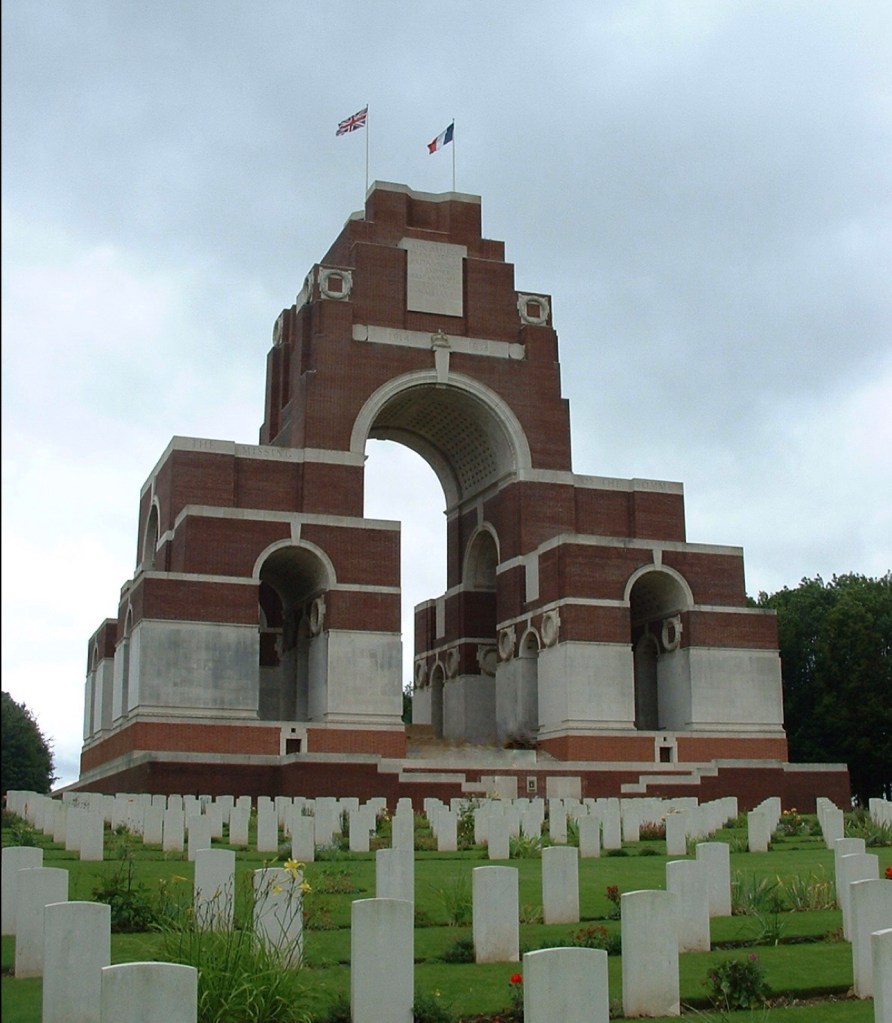
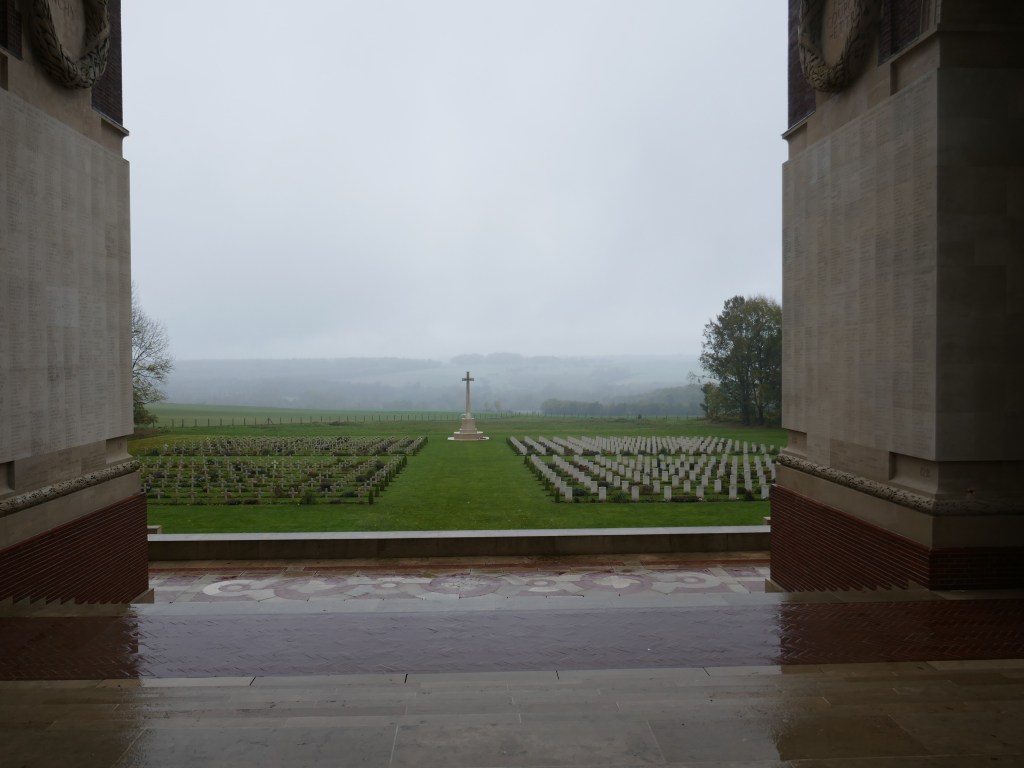
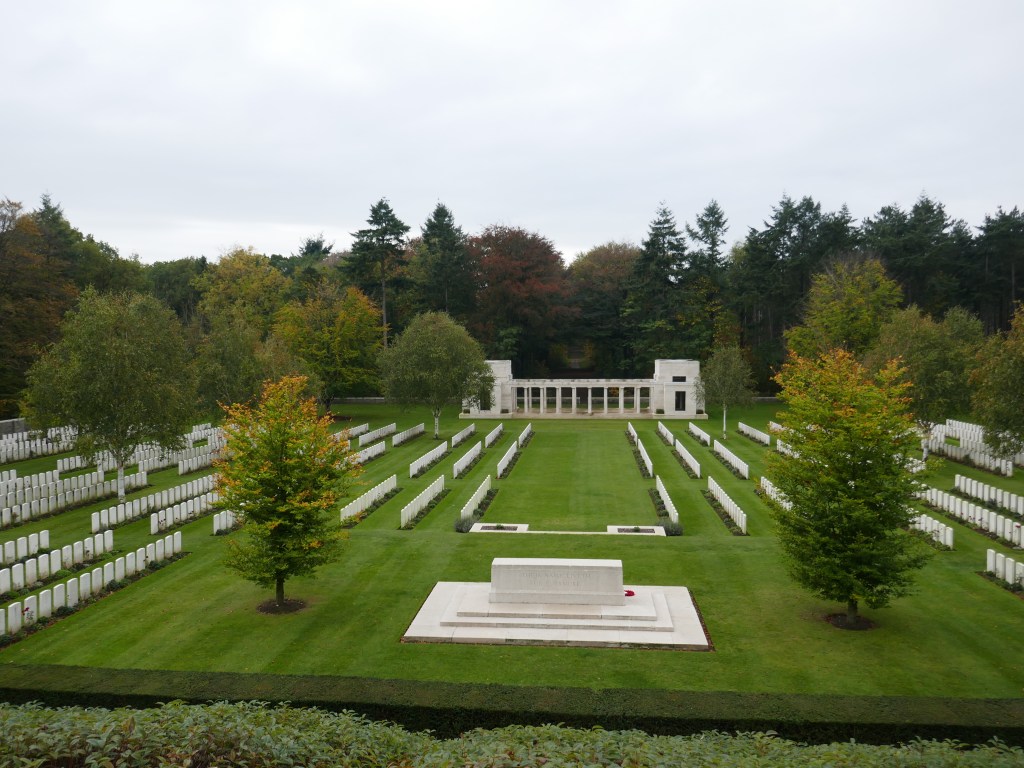
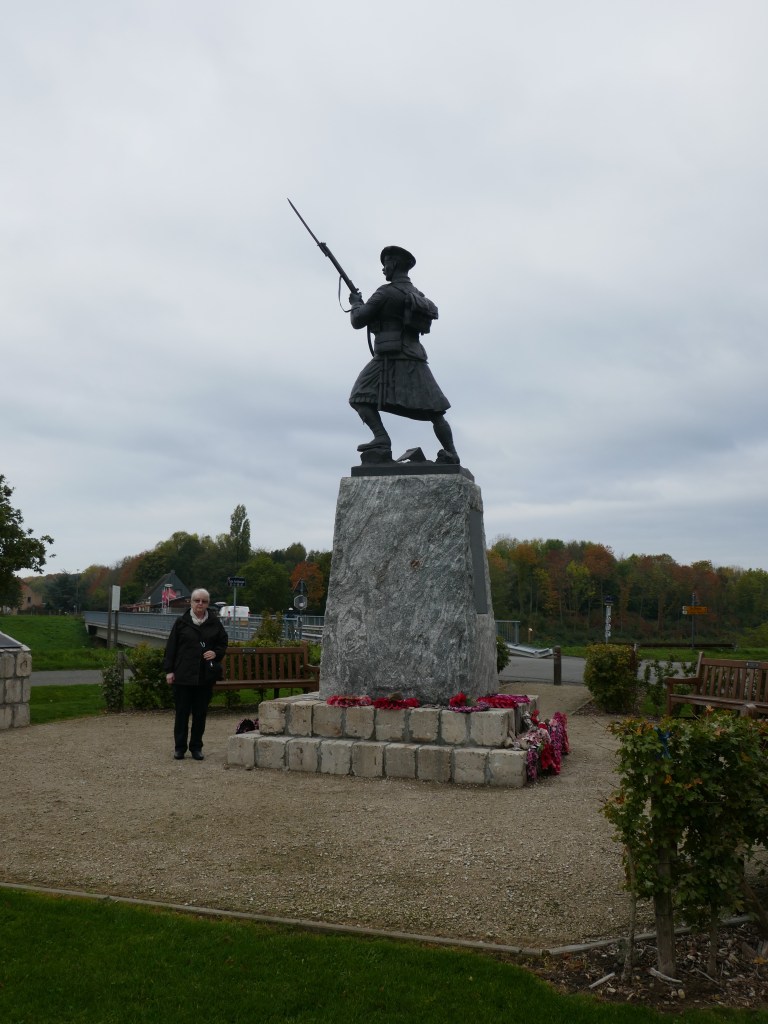
Thiepval Memorial to the 72,337 Missing at the Somme here with help we found the plaque to John McLaughlin killed at the Somme on 1916Polygon Woods: ButtesNew Polygon Woods Cemetery. Visited the Australian War Animal Memorial. Northern France. The battles of Fromelles and Pozieres, part of the Battles of the Somme, near the Belgium border. More than one million men were killed or wounded during the six month campaign from 1 July 1916. Walked around the memorial at Ypres. The crowds are gathered for the Last Post. Ypres Menin Gate memorial after the crowd listening to the nightly playing of “ Last Post” had left. It has been played there every night since 1928, apart from the years when Ypres was occupied during the Second World War. After the First World War the people of Ypres demanded the town centre be rebuilt stone by stone, exactly as it was before the German destruction. Of course the trenches looked nothing like this when they were full of water, mud and rats. Lochnagar Crater. One of the craters as a result 19 mines layer by Tunnelling Companies of the Royal Engineers under the German field fortifications, to be ready for the first day of the Somme on 1 July 1916. An unofficial Truce. First report, Christmas Eve an officer from the Royal Irish Rifles reported that the Germans have illuminated their trenches and were singing songs. Further along the lines both British and German forces sang carols, most famously “Silent Night”. Statue at Messiness, south Ypres. Note: senior officers in both sides strongly opposed any fraternisation with the enemy. People regularly come and lay articles of their football team at the site, where the game was played. It should be noted that there are reports of a number of games played along a 20 mile radius. The Black Watch Corner at the southwest end of Polygon Wood. Marking the spot where on 10/11 2014 the German advance was halted. At a cost of 9,000 officers and soldiers killed and 20,000 injured. A German bunker in Polygon Wood.





 Les McLaughlan