Category Archives: Scotland

My DNA Journey Update November 2022.

I thought I was ready for the next phase and was wondering how my DNA and Genealogy findings would connect. I sent my Haplogroup information to the McLachlan Project. Boy was I surprised when they said they could not find any matches, and suggested I check out the Cameron Project

The Cameron Project did find DNA matches and sent me through their findings. My most recent common ancestors R-FT104321 was a Cameron circa 1550. It is very possible to Identify the person as Donald Cameron the illegitimate son of Ewan Cameron and the daughter of Clan Chief MacDougall. Ewan was taken prisoner when he refused to marry her. Ewan died in 1553 when he was stabbed during his clan’s rescue. Ewan’s brother became the 15th Clan chief. Ewan’s illegitimate son Donald was raised by the McLachlan’s of Coruanan’ 4 miles south of Fort William.
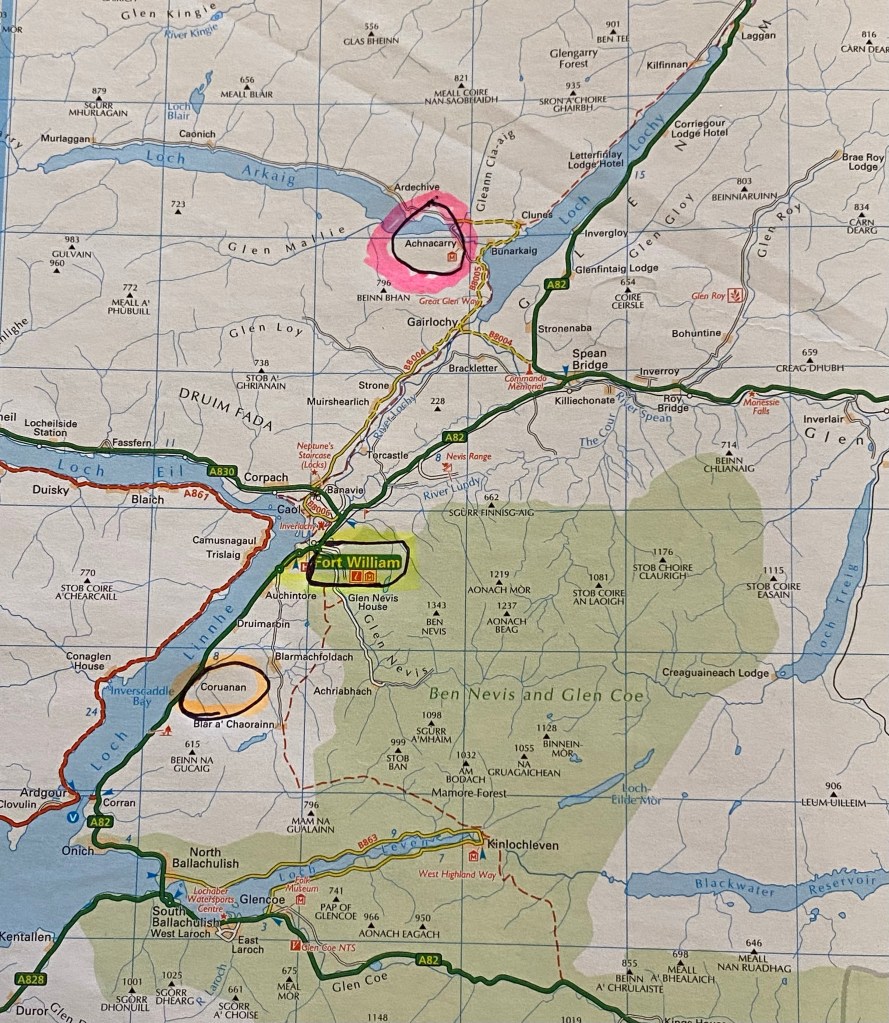
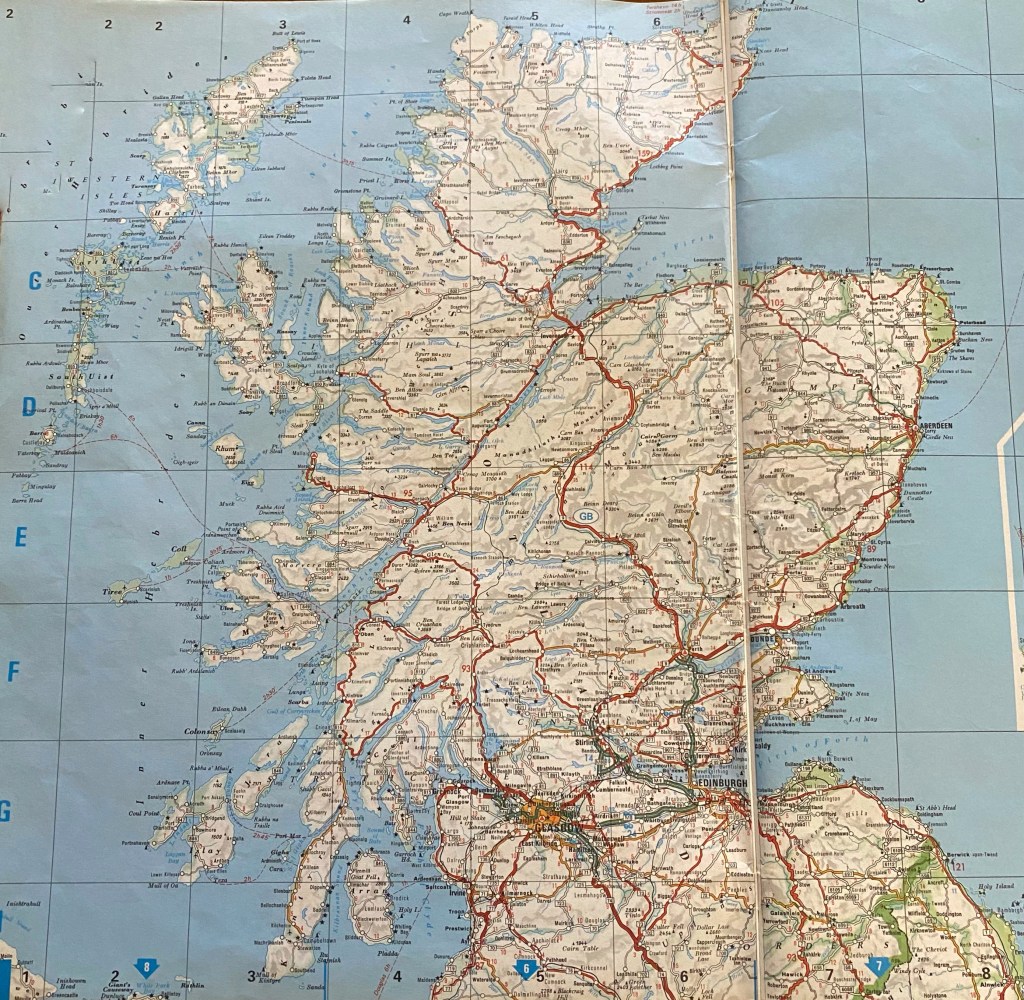
The pink circle at the top is the home of the Cameron Clan. The orange circle is where McLachlans and my closest ancestor lived in 1550.

After the 1745 Revolution, and in particular the 1746 battle of Culloden where the Jacobite’s were defeated it was known that the McLachlan’s of Coruanan were the Cameron Standard barriers. And in 1747 the government forces threw them off of Coruanan, confiscated their cattle and burned down their home and barn. Clearly they were an early part of the Highland Clearance.

So what do I Know?

My Big Y DNA has found I am part of the Cameron Clan.

My Genealogy research, with primary records confirmation has my direct family McLaughlan, as it is now.

My Grandfather was born in Glasgow Scotland as McLaughlin, why did he deliberately change the spelling. My view is that my grandfather who was born in Glasgow, Scotland, thought McLaughlan sounded more Scottish than McLaughlin.

What don’t I know?

Where my DNA and my Genealogy come together? When did my family move from Scotland to Ireland? Did a Cameron change their name to McLaughlin? Was a Cameron adopted by a McLaughlin family? Did a Cameron have a son with a McLaughlin out of wedlock?

My investigation continues and when I can give an update I surely will.
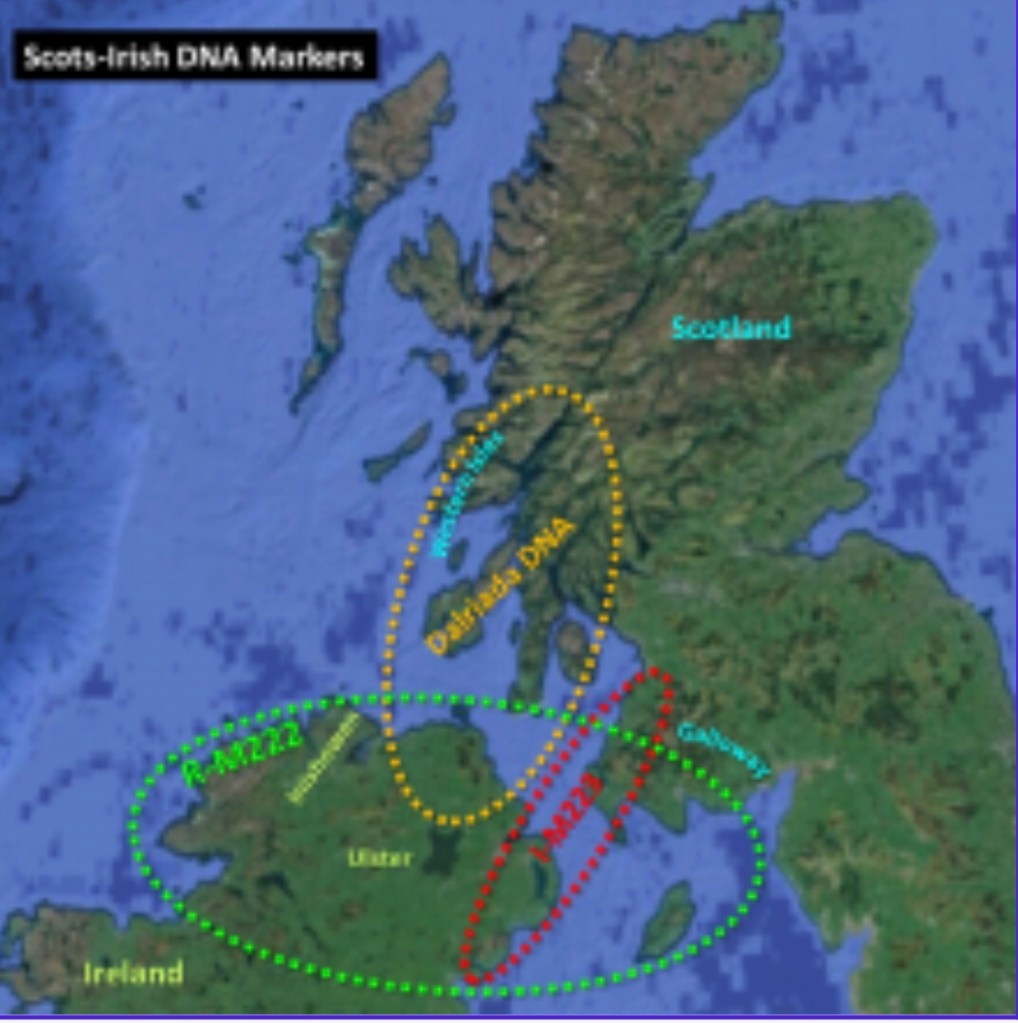
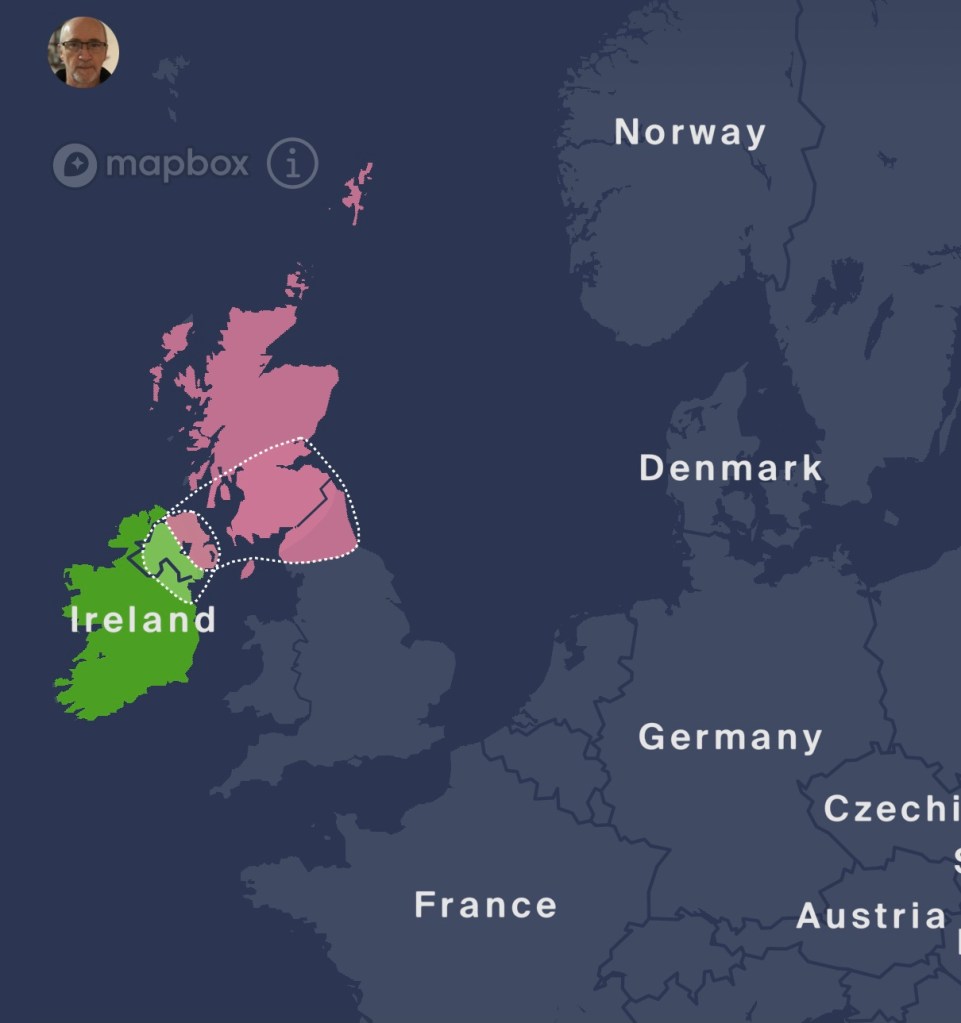
The yellow loop virtually covers the total area of my family geographical area.
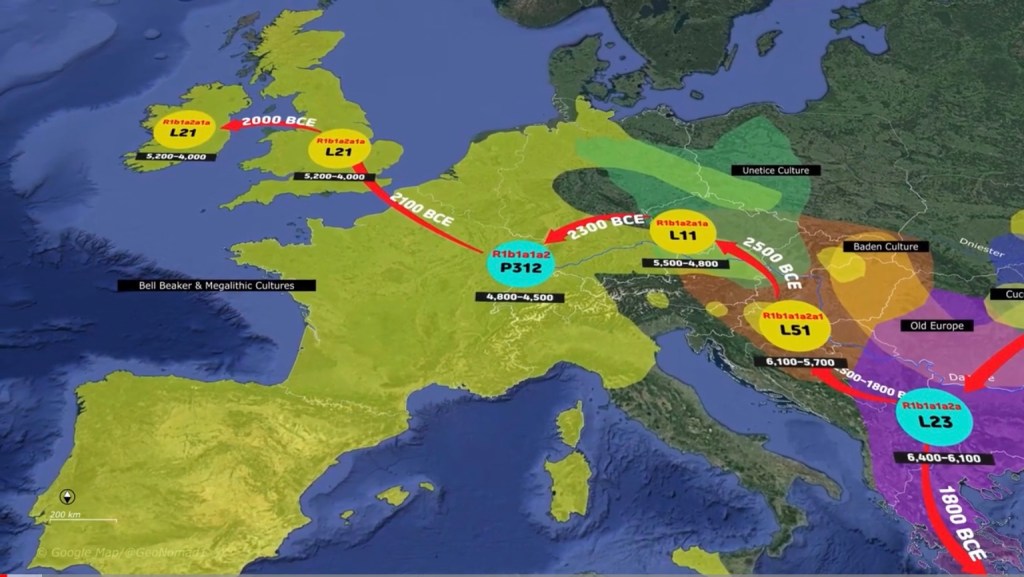
This map shows the move into Britain was 2,000 BCE, just over 4,000 years ago.

My Genealogy, followed by my DNA Story.

I have decided to write down an overview of what I know so far. The family history has been thoroughly researched by Linda, my wife. To giver her title, Dr Linda McLaughlan.

Added to Linda’s research are some maps, shown immediately below, from My Autosomal DNA test, this test analysis your 46 chromosomes, 23 each from both parents. As a result of this test I am 65% Irish and 35% Scottish.

I have also taken the Big Y700 DNA test and am part of the R1b group Haplo R-M269. The Big Y results look very complex and I will make comments in the future when I have more understanding of how it all works.

From the Genealogy side. I only intend doing an overview of my family tree and some information about their lives as I know and will add as I gain more information. Again I have to thank Linda for the hundreds of hours research she has put into my family tree. I am much newer on board but am keen to learn.

The maps below show My Ancestry Autosomal DNA results. and the text is from Primary sourced records.

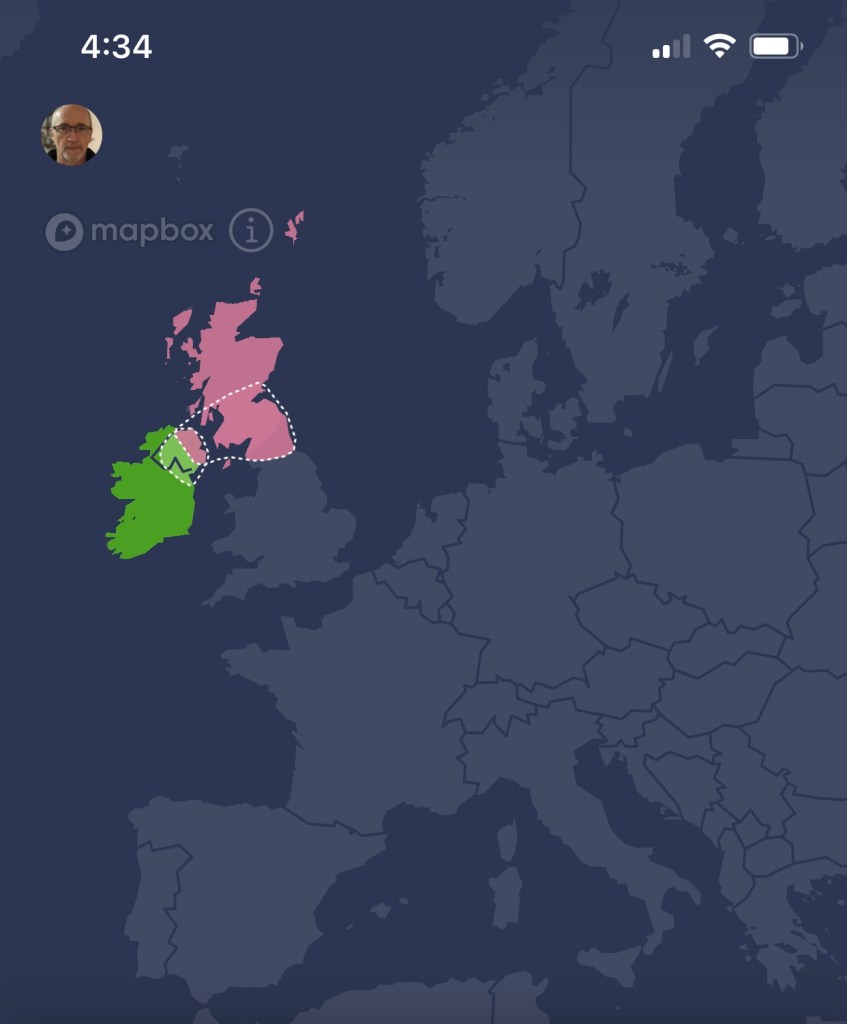
This whole area depicted here represents a part of the largest known DNA area, the R haplo group.
The greyed out parts of Europe are also part of the whole R haplo group.
The dotted white lines shows where my DNA grouping come from.

All my immediate Grandparents were born in or very close to Glasgow, Scotland between 1902 and 1910. Below I will do each branch of my family by their birthplaces and by date, going as far back as I have information for. NOTE: at this time I am only laying out my father’s and mother’s, father’s line. I have a much fuller family members history in my tree.

Many birth and death records in Ireland were destroyed and makes research very hard. Other records which help come from a number of sectors, ie. Griffith’s Land Valuation, the Flax Growers List, some censuses and the web site irishgenealogy.ir.

Continue reading My Genealogy, followed by my DNA Story.

1995 Moscow, Rome, England, Ireland, Scotland, Bangkok post 2. This post covers Moscow, England and Ireland (also see post 1).

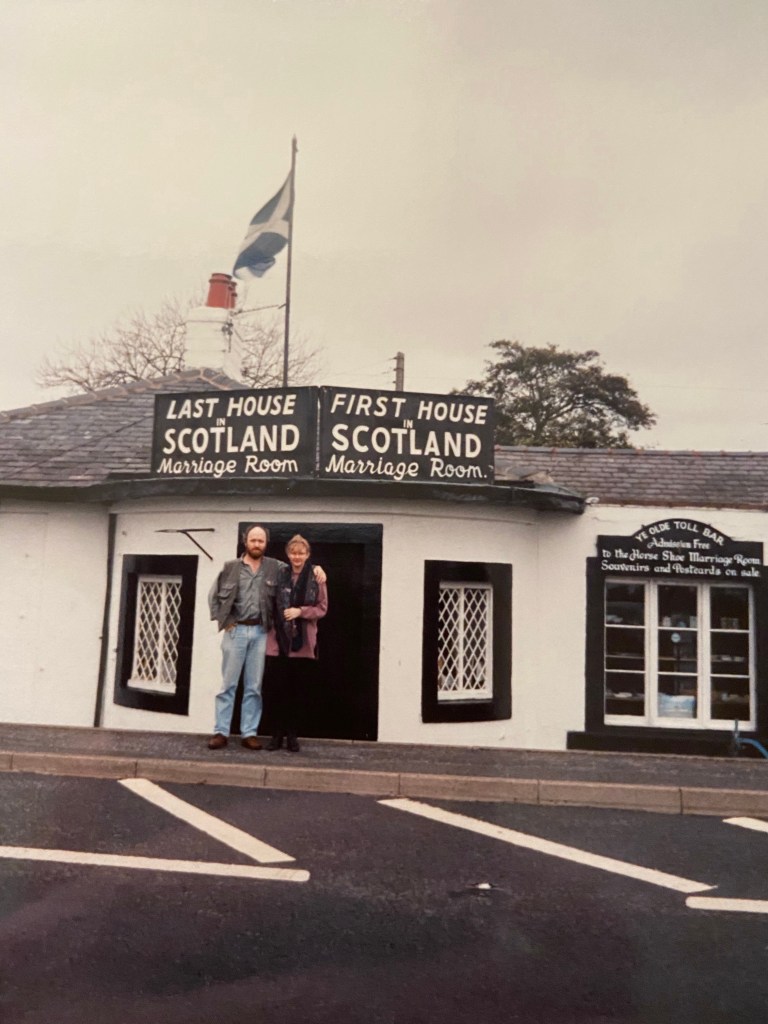
This post covers our trip to Scotland visiting our favourite places, family and friends before stopping off in Bangkok on our way home.

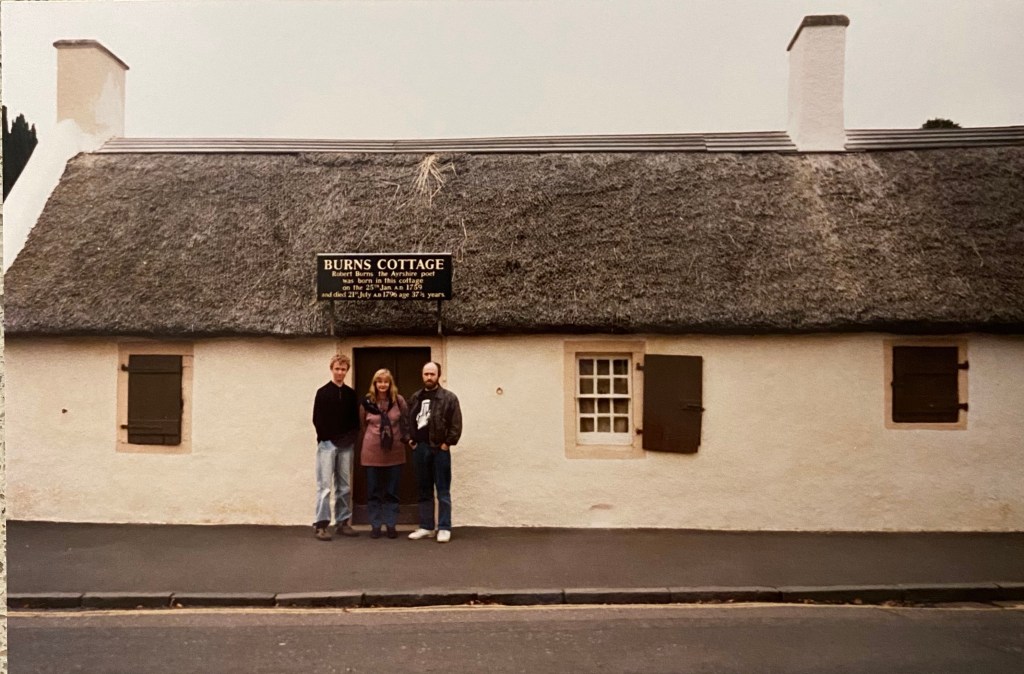
First stop after landing in Stranraer. Burns birthplace.
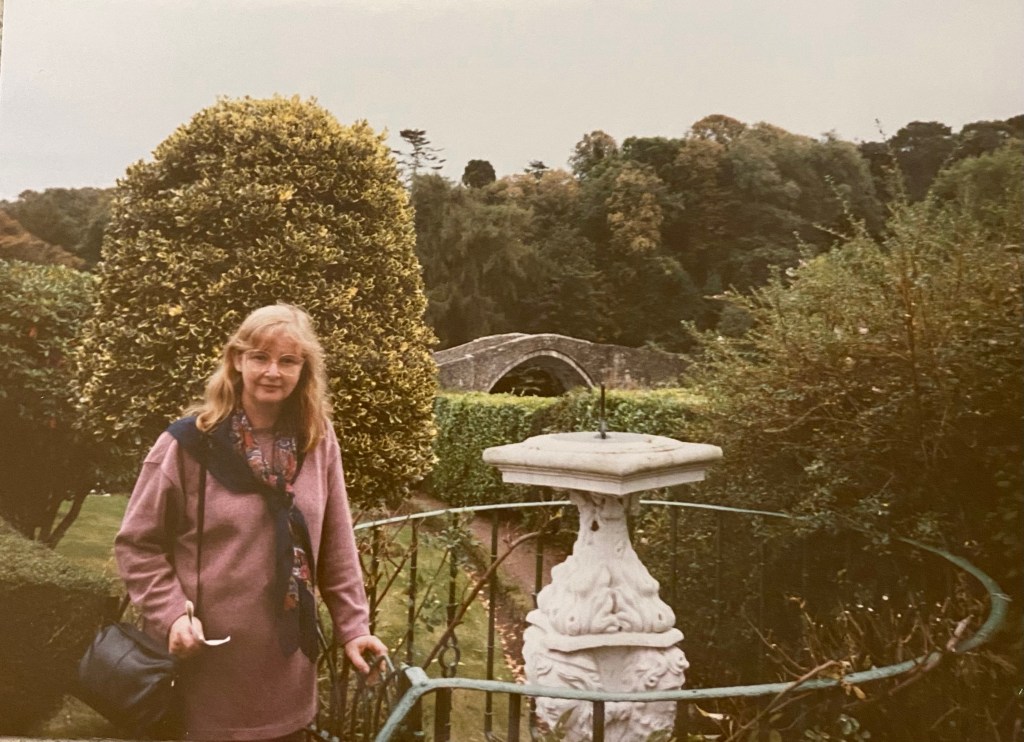
Linda with Auld Brig at Burns Monument
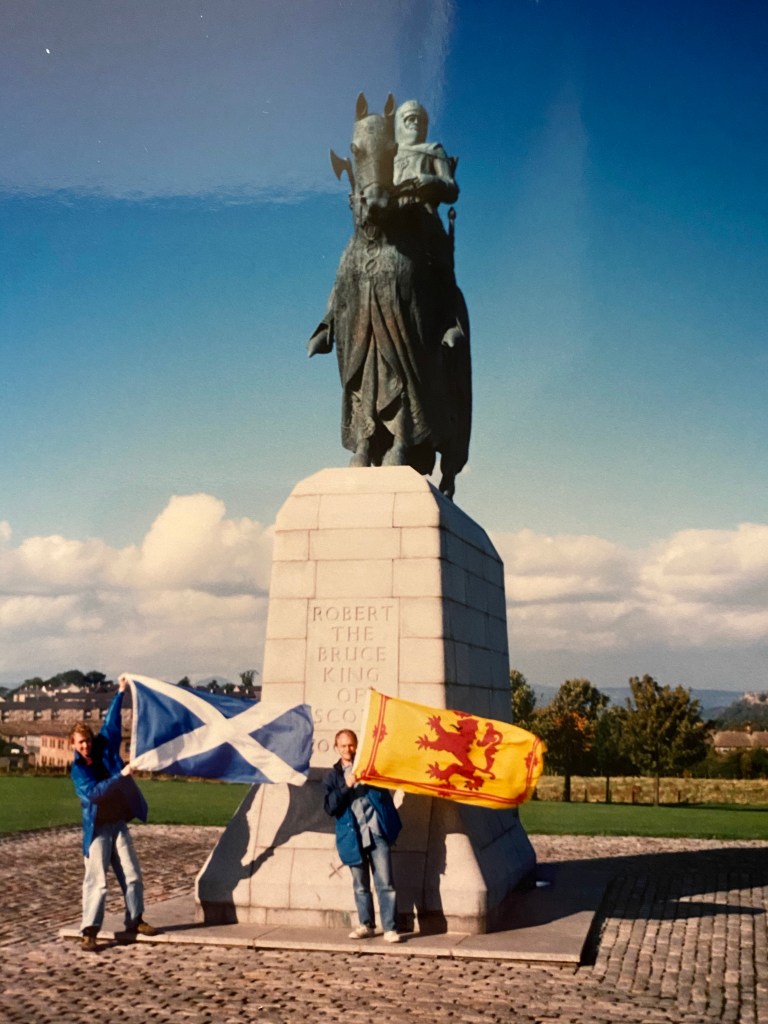
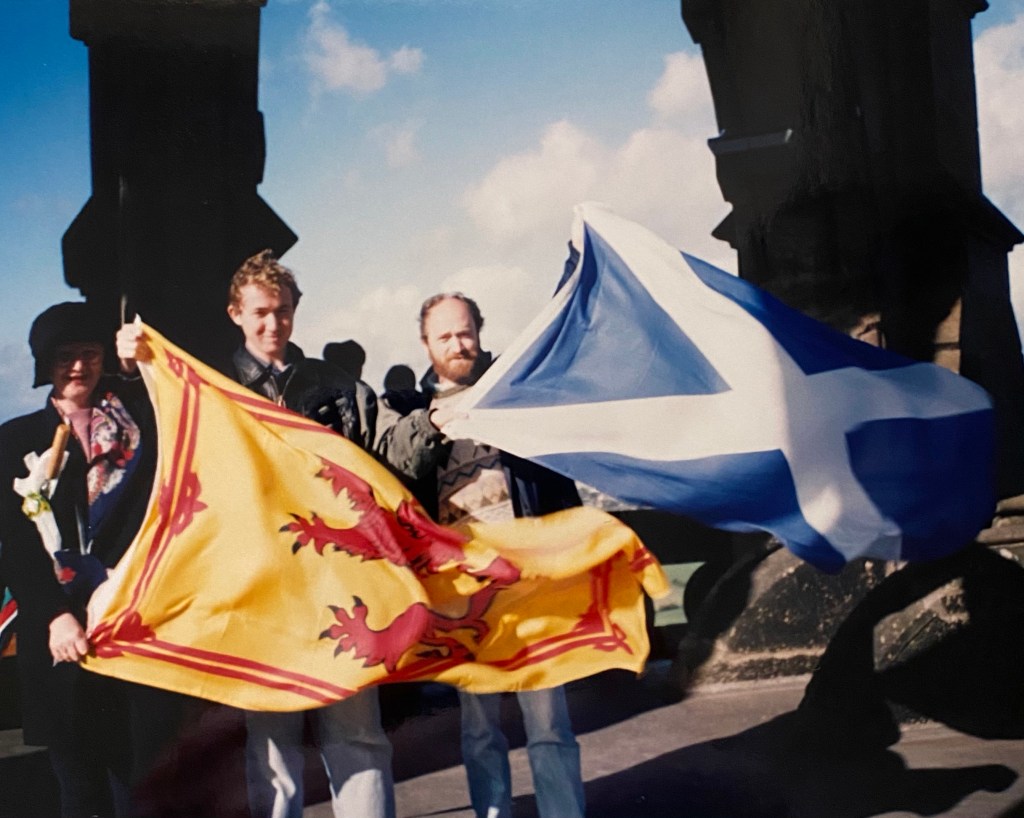
Paul and David just managing to hold on to the flags where Scotland’s King Robert the Bruce defeated England’s King Edward II army of at Bannockburn on 23 and 24 June 1314
At the top of Wallace Monument in Stirling where the Battle of Stirling Bridge the First War of Scottish Independence took place on 11 September 1297
Linda at Loch Fyne with the ruins of Maclachlan/ McLaughlan Castle
Anyone seen my horse?
Looking out to Loch Fyne
Linda getting ready to visit the old castle on Loch Fyne
Driving back to England after a great time in Scotland.
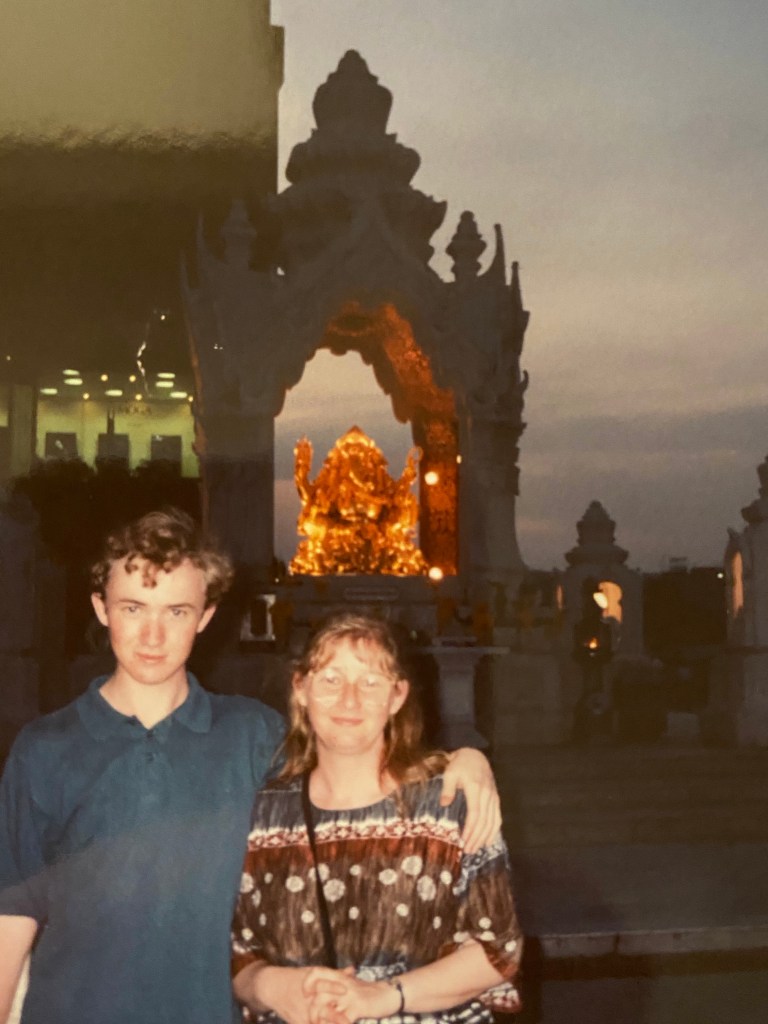
Change of weather, very hot in Bangkok
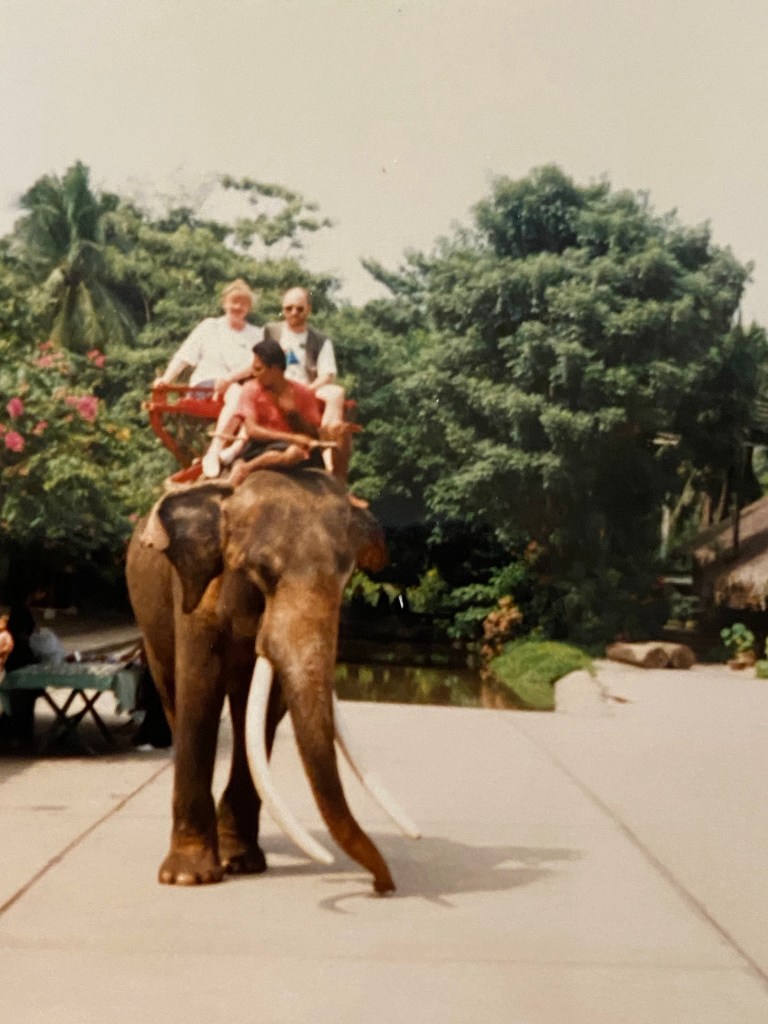
Linda’s face was priceless when the elephant started walking
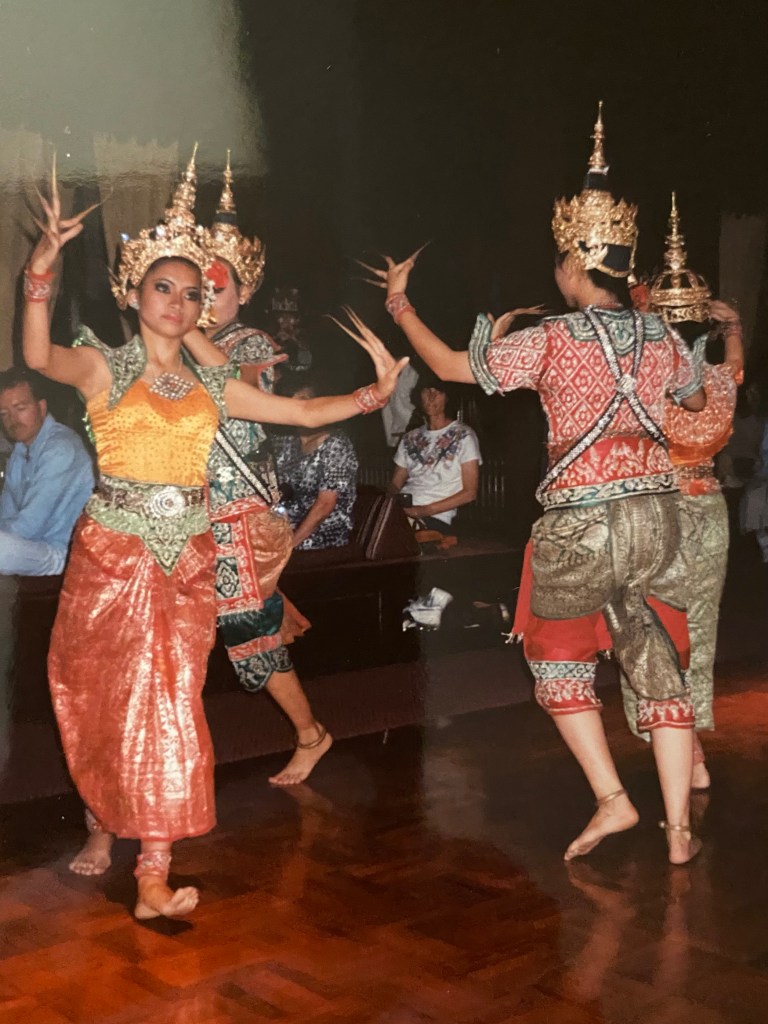
Great night. Also a laugh when they got a number of diners up for a dance later. Yes I was one of the diners they got up for a dance

1974 Isle of Arran, Scotland

The Island lies at the entrance to the Firth of Clyde, 14 miles west of the Ayrshire coast. 35 miles to the south is Antrim, Northern Ireland. On the Island there are three groups of mountains with ten peaks. The most famous and highest being Goatfell.

Earliest known settlers on the island were Mesolithic people who fished and hunted. The next people to arrive around 3000BC originated in the eastern Mediterranean travelling through France, England, Wales then Scotland. As well as fishing they farmed the land. During the Bronze Age they built stone circles the most famous the Machrie Moor dated from around 1600 BC. Continue reading 1974 Isle of Arran, Scotland

1973 Lerwick

Lerwick is the main town on Shetland Island. Just to put where the island is situated into perspective, on many maps Shetland is shown with a box around it, this is because the distance shown on the map is usually not to scale.

Historically the Shetland islands were given to Scotland as part of the King of Norway’s daughter Margaret’s dowry in 1469. It was only meant to be security until the moneys were paid. Since that never happened the Shetland Isles have remained as part of Scotland.

Continue reading 1973 Lerwick